
Commercial EPC's
From initial assessment to CEPC lodgement, we provide end-to-end CEPC services tailored to your needs.
What Are Commercial EPCs?
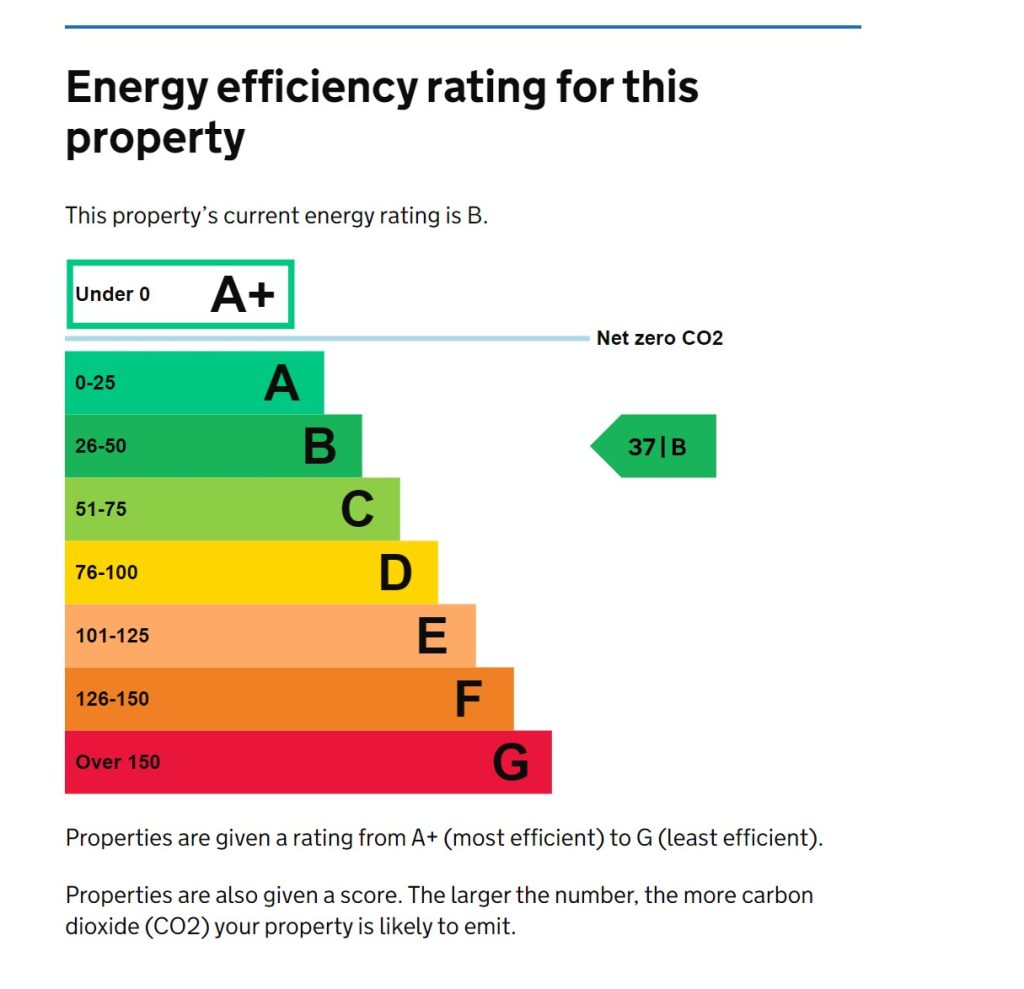
A Commercial EPC, also known as a Non-Domestic Energy Performance Certificate, displays the energy performance of commercial buildings on a scale from A+ (net zero) to G (worst performing). This rating is based on estimated carbon emissions rather than running costs, which is the focus of EPCs for domestic properties.
The Commercial EPC includes:
- A detailed breakdown of energy performance
- Improvement recommendations (available in a separate document)
Regulations in England, Wales, and Northern Ireland
A Non-Domestic EPC is required to build, sell, or rent a commercial property. According to the Minimum Energy Efficiency Standards (MEES), landlords must have an EPC with at least an E rating to issue a new lease. A new EPC is not needed every time a property is let or sold, provided the certificate is less than 10 years old.
Regulations in Scotland
Similarly, a Non-Domestic EPC is required to build, sell, or rent a commercial building in Scotland. Although there are currently no minimum energy standards for private rented commercial buildings, these are expected to be introduced soon. The Non-Domestic EPC in Scotland is valid for 10 years. Additionally, commercial buildings larger than 1,000 m² must comply with Section 63 regulations, which require an EPC and an Action Plan outlining improvements for carbon and energy performance.
Questions on EPCs?
We understand that navigating the world of Commercial EPCs can be confusing, which is why we’re here to help. If you have any questions about what Commercial EPCs are, when you need them, or how to obtain them, please don’t hesitate to ask.
When Do you Need a Commercial EPC?
If you are a Landlord and you would like to sell or rent your property or parts of your property you will require an EPC. If you are constructing a new building you will require an EPC on completion of the project.
EPCs have been a requirement under the above circumstances since 2008 and are valid for a period of 10 years.
Sometimes a landlord may want to change the use of their building from having large open plan spaces to smaller areas used for separate occupation by tenants, or Vice versa. In these circumstances, a new EPC or several New EPCs could be required depending on if there are also amendments to the mechanical ventilation, heating systems or air conditioning.
If you fall into either of these categories and would like any advice or a quotation, please get in touch with us. KTIC have provided EPCs for all types of Non-Domestic Buildings and have worked with a diverse range of clients including Landlords, Managing agents, Facilities managers, Environmental Consultancies and more.
KTIC are more than happy to advise in any of these situations and are also able to provide EPC certification efficiently, quickly and cost effectively if required anywhere in England and Wales.
We are also able to provide EPCs in Scotland, however, the regulations and requirements are different, please see our further section relating to Scottish EPCs & Section 63.
When Do you Need a Commercial EPC?
Obtaining a Commercial EPC through KTIC
To secure a Commercial EPC, contact KTIC, a trusted provider of energy assessments. One of our accredited Non-Domestic Energy Assessors (NDEAs) will arrange a property visit to gather data such as dimensions, lighting, insulation, and heating systems. For new buildings, similar data can be processed remotely without a site visit. The process is non-invasive, with the duration dependent on the building’s size and complexity.
In Scotland, EPCs are typically delivered as printed documents, while elsewhere in the UK, they are provided online for convenience.
Types of Non-Domestic EPCs Offered by KTIC
KTIC provides EPCs across all three non-domestic levels to suit your building’s complexity:
- Level 3: For simple existing buildings with basic systems (e.g., small shops, restaurants).
- Level 4: For buildings with advanced features, including new builds and complex HVAC systems (e.g., large offices, shops).
- Level 5: For buildings requiring specialised assessments, such as atriums or intricate ventilation systems (e.g., airports, shopping centres, skyscrapers).
Minimum Energy Efficiency Standards
TAKE ACTION NOW AND SAVE POTENTIAL PROBLEMS LATER
MEES Service
From upgrading insulation to installing energy-efficient lighting and optimising HVAC systems, our expert team ensures you achieve MEES compliance with minimal capital expenditure. Discover how KTIC can help you navigate MEES regulations and improve your property’s energy performance.
Recent changes to the EPC requirements that were brought in April 2018 now require landlords to take actions to improve the EPC rating of their building if it is currently below an E. If a new lease is being taken up landlords will not be allowed to rent out their property until they have improved its energy efficiency. KTIC can advise on this and also produce an enhanced recommendation report to show the quickest most cost-effective ways to improve the EPC rating.
Please contact us for advice, further specific guidance for a quotation and we will be very happy to help. We have more information on KTIC Solution’s MEES Improvement Service page.
Scotland's Section 63 Assessments
Triggering Section 63 Assessments and how we can help
The Section 63 requirement, was brought into effect in Scotland in September 2016 and its aim is to improve the energy efficiency and reduce the carbon consumption of existing larger buildings within the country.
In Scotland, a section 63 action plan is required alongside an EPC for buildings that have a floor area of 1000m2 or over. The requirement is generated when a building is due for sale or lease and requires a new EPC.
The action plan will outline a number of potential improvements that will reduce the energy consumption and costs of the building when implemented. The action plan must be compiled by an accredited Section 63 advisor and EPC assessor.
Once complete and agreed upon then the building owner has three and a half years to implement the improvements and increase their buildings energy efficiency. If the Building owner decides not to implement the improvements then they must produce a DEC for the building, this must be carried out by a qualified DEC assessor and lodged annually. This will act to defer the requirement for the improvements to be carried out.
Once a building owner has carried out the improvements outlined within the action plan then a new EPC and action plan must be carried out to reflect the updated energy rating. Once lodged these will serve to show that the building owner has fully complied with their Section 63 obligations.
Although this process is legally required it does offer very good long-term opportunities to reduce the overall energy costs associated with the operation of large buildings in Scotland.
KTIC’s qualified Section 63 assessors and DEC assessors are available to provide guidance and to assist with this process. KTIC are also able to act as consultants with respect to helping clients implement the outlined improvements to their buildings.
Commercial EPC News
Stay updated with the latest news on Commercial EPCs, compliance tips and energy efficiency innovations.
Recent Posts

An Introduction to Commercial EPCs: What They Are and How KTIC Solutions Can Help
KTIC Solutions is committed to helping commercial property owners achieve optimal energy efficiency and compliance with EPC regulations. Our team...
Read More

